

Water Runner BLOG & Resources
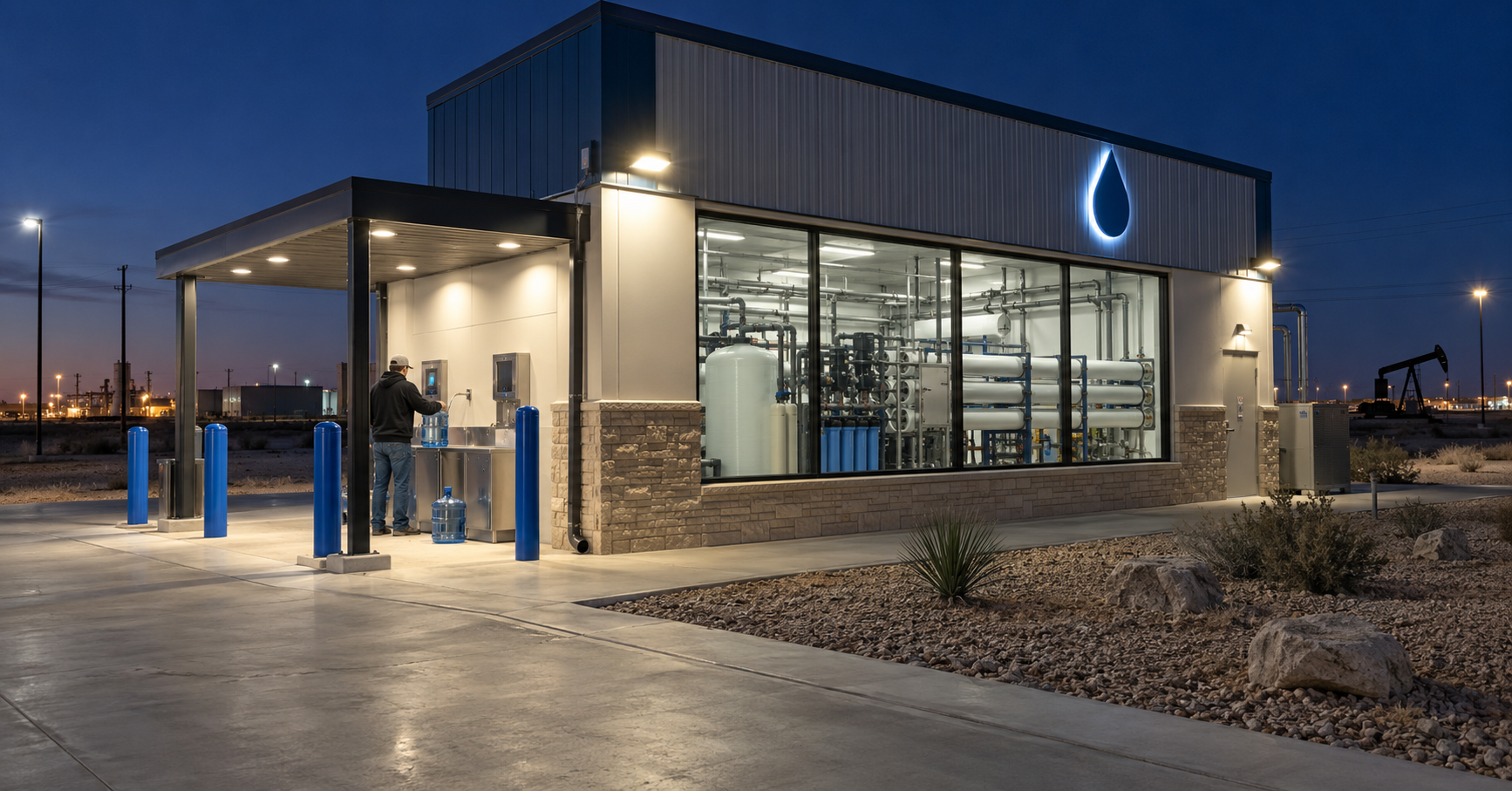
Finding a 24/7 Water Station Near You: What to Look For
A water station near you is only useful if it is open when you need it and meets the water quality standards your use case requires. This article covers the practical criteria for choosing a water station: source water compliance, treatment technology, container access sizing, and 24/7 versus staffed operations.
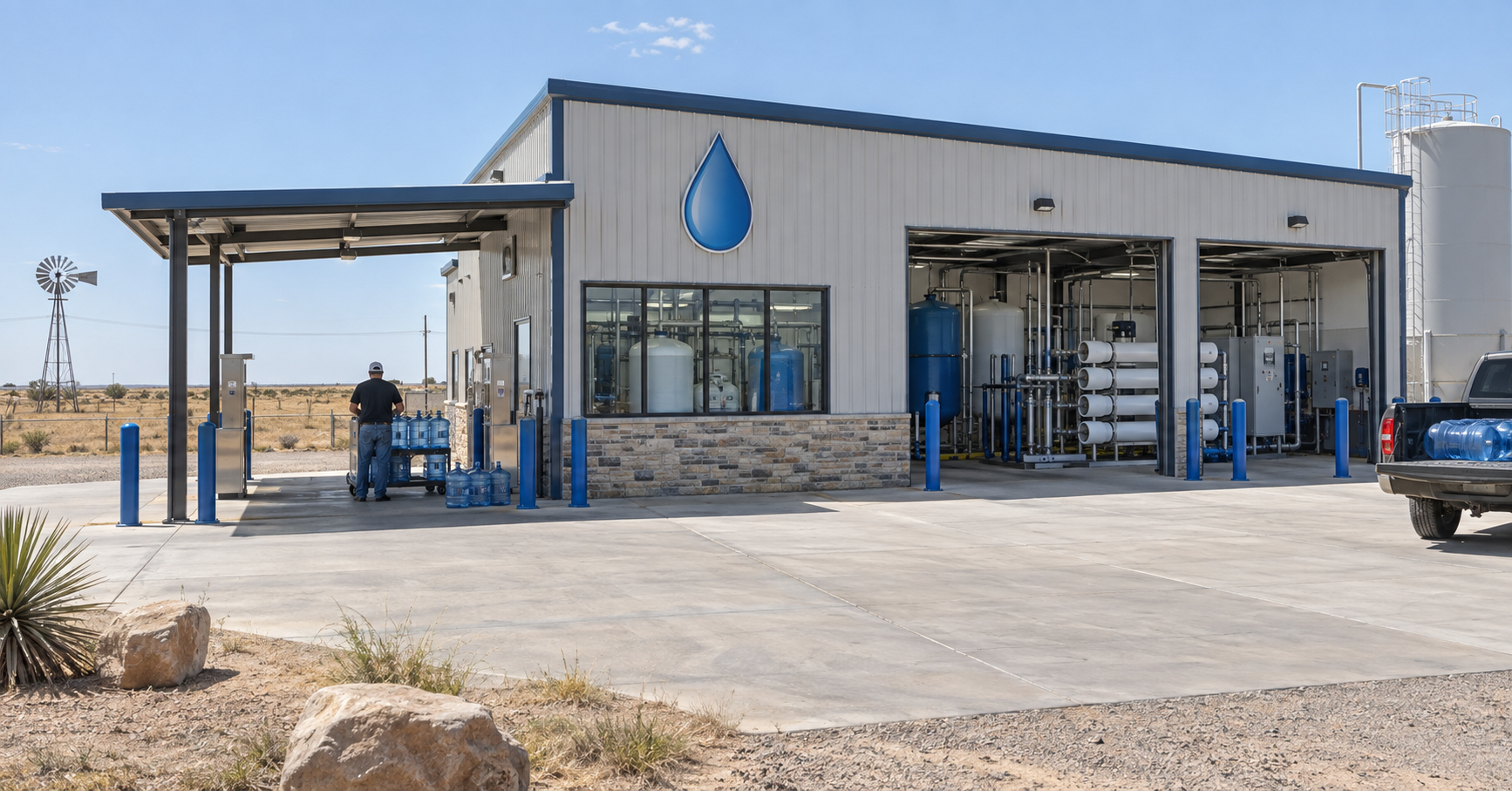
Where to Find a Reliable Water Refill Station Near You in West Texas
A reliable water refill station is more than the closest tap. It is a facility with TCEQ-licensed source water, documented treatment quality, and access hours that fit how you actually use it. This article covers what to look for in a West Texas water refill station and how Water Runner's Midland stations serve residents, contractors, and businesses across the Permian Basin.
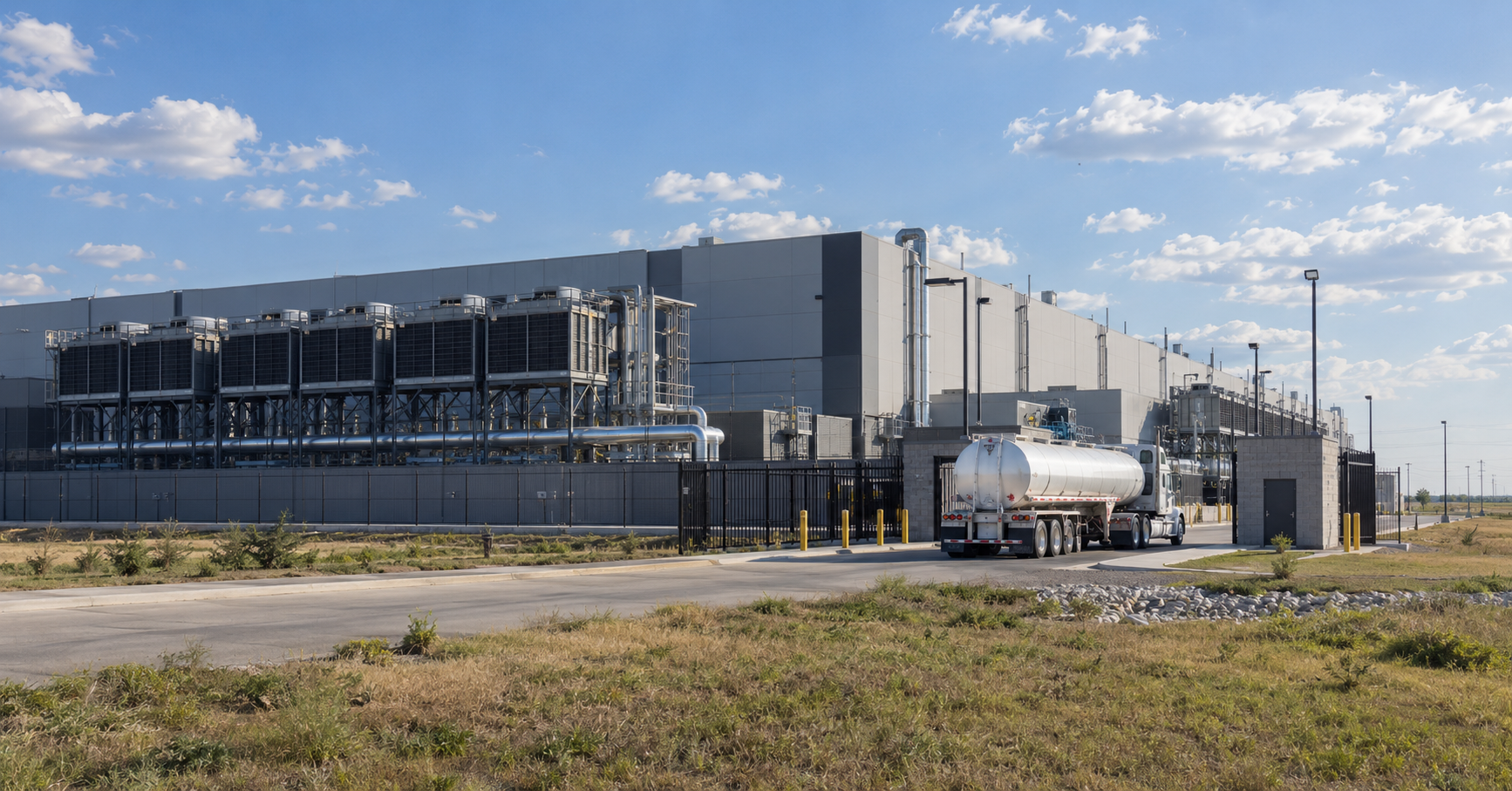
The Complete Guide to Bulk Water Delivery for Texas Data Centers
Texas data centers consumed an estimated 25 billion gallons of water in 2024 and could reach 161 billion gallons annually by 2030. Bulk water delivery covers three demand phases: construction, commissioning fills, and operational supplementation of cooling systems. Each phase draws on different water grades and different scheduling logic.
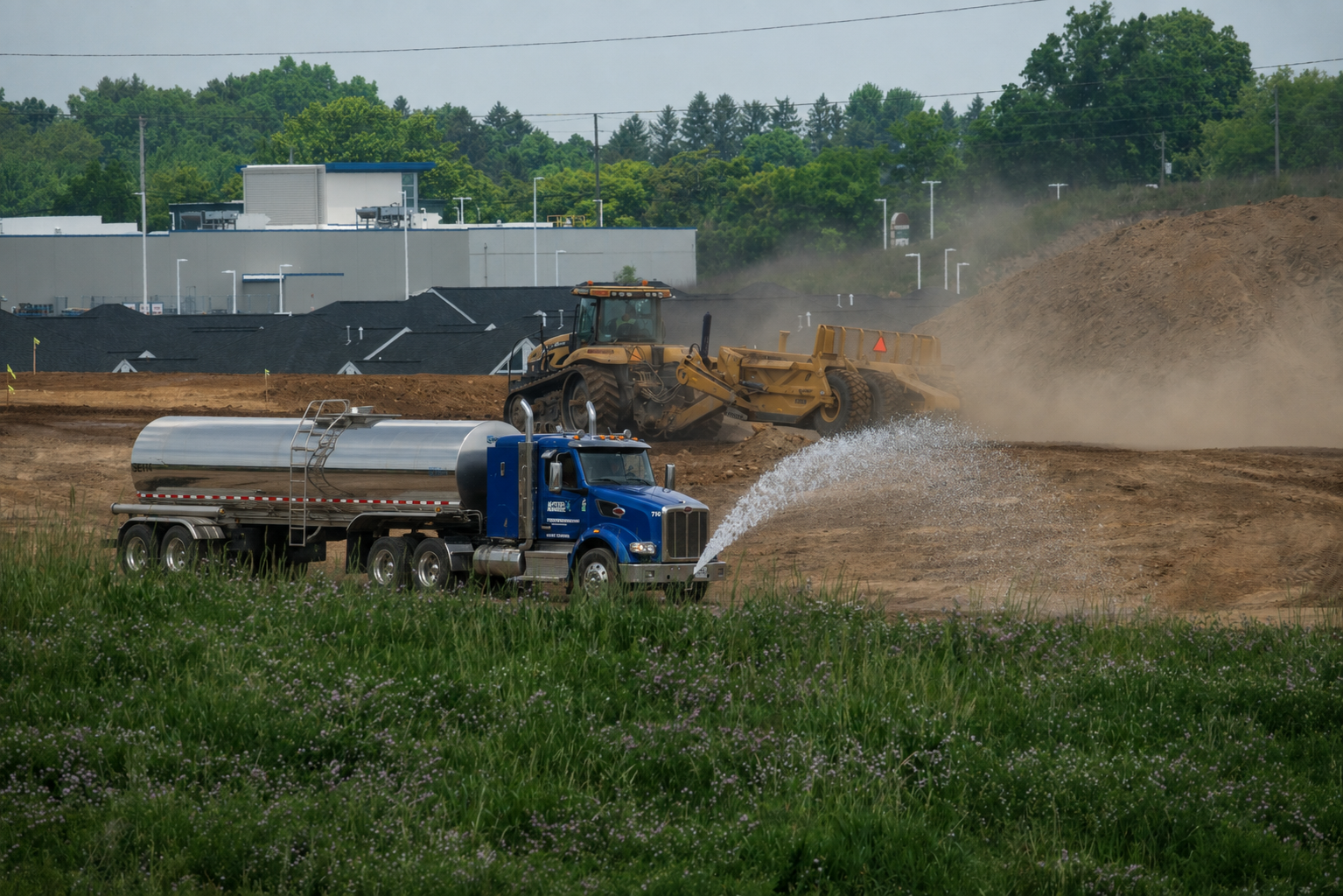
Dust Control Water Trucks for Texas Construction Sites: TCEQ Compliance and Soil Compaction Applications
Dust control water trucks serve two functions on a Texas construction site: particulate suppression for stormwater and air quality compliance, and moisture application for soil compaction. Both are required, both are scheduled, and both benefit from a single TCEQ-licensed water partner coordinating tanker rotations across the site.
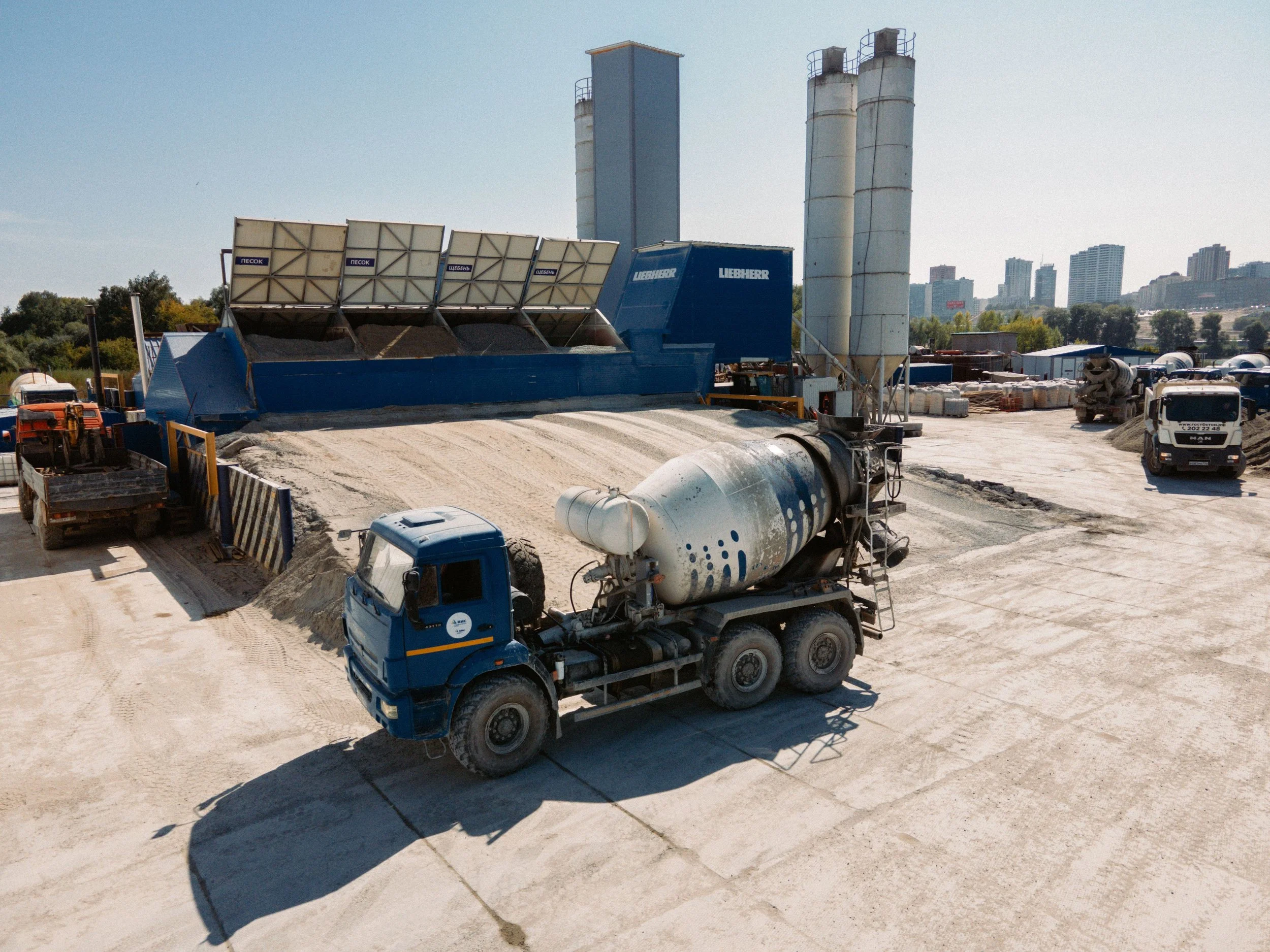
Bulk Water for Concrete Production in Texas: What Batch Plants and On-Site Pours Actually Need
Concrete production draws on three separate water demands across batching, curing, and equipment washdown. Each has a different volume profile and quality specification. Contractors and batch plant operators who plan water as one line item overspend on commodity phases and under-source for the specification-driven mix water requirements set by ASTM C1602.
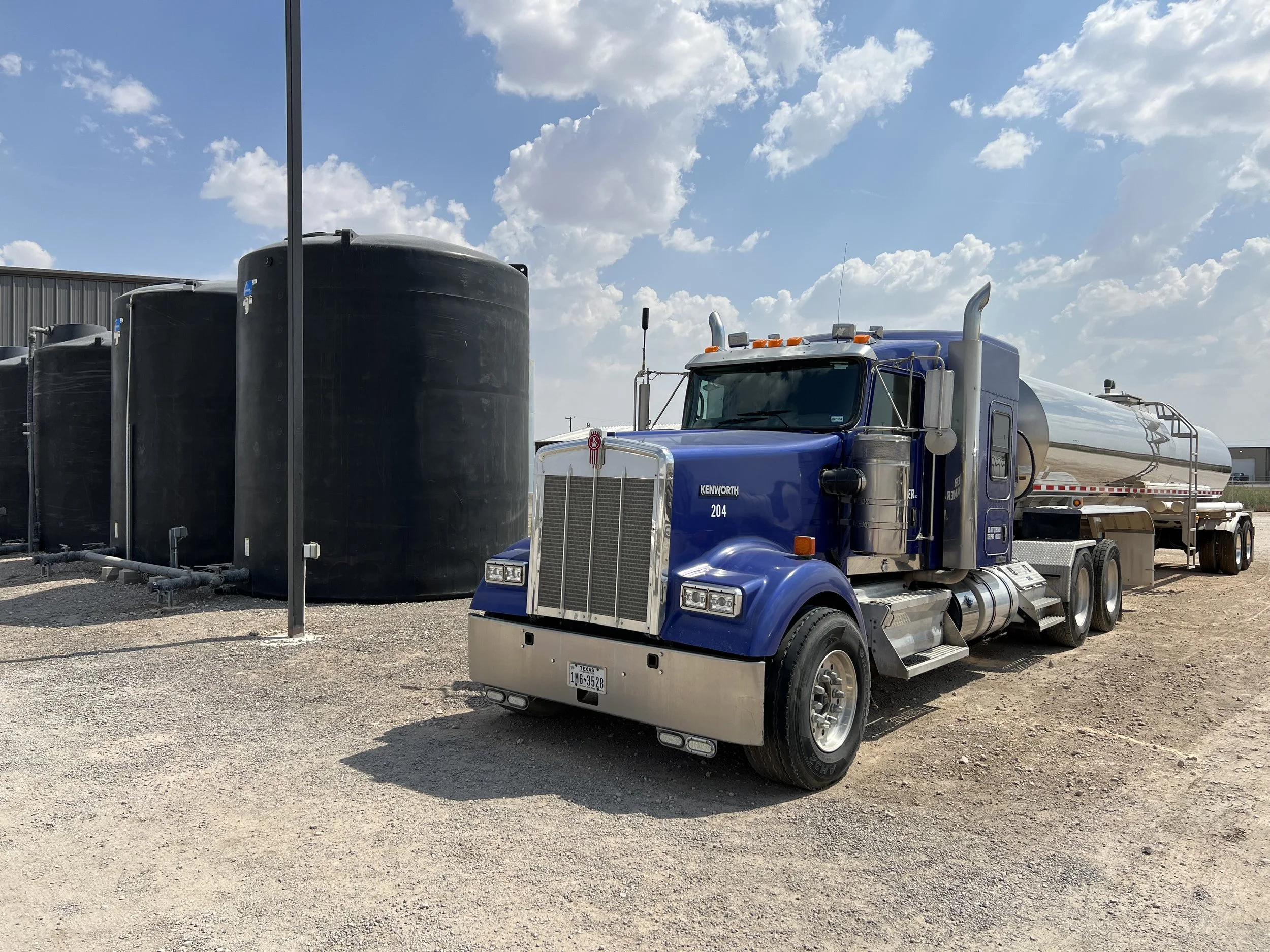
Water Delivery for Solar Farms: How to Schedule Tanker Service Around the Build
Solar farm water delivery is not a single contract for a single volume. It is a phased schedule of tanker rotations matched to grading rates, civil progress, and commissioning timelines. This article explains how to scope tanker service for a utility-scale solar build and why the scheduling decision belongs in pre-construction planning, not mid-build escalation.
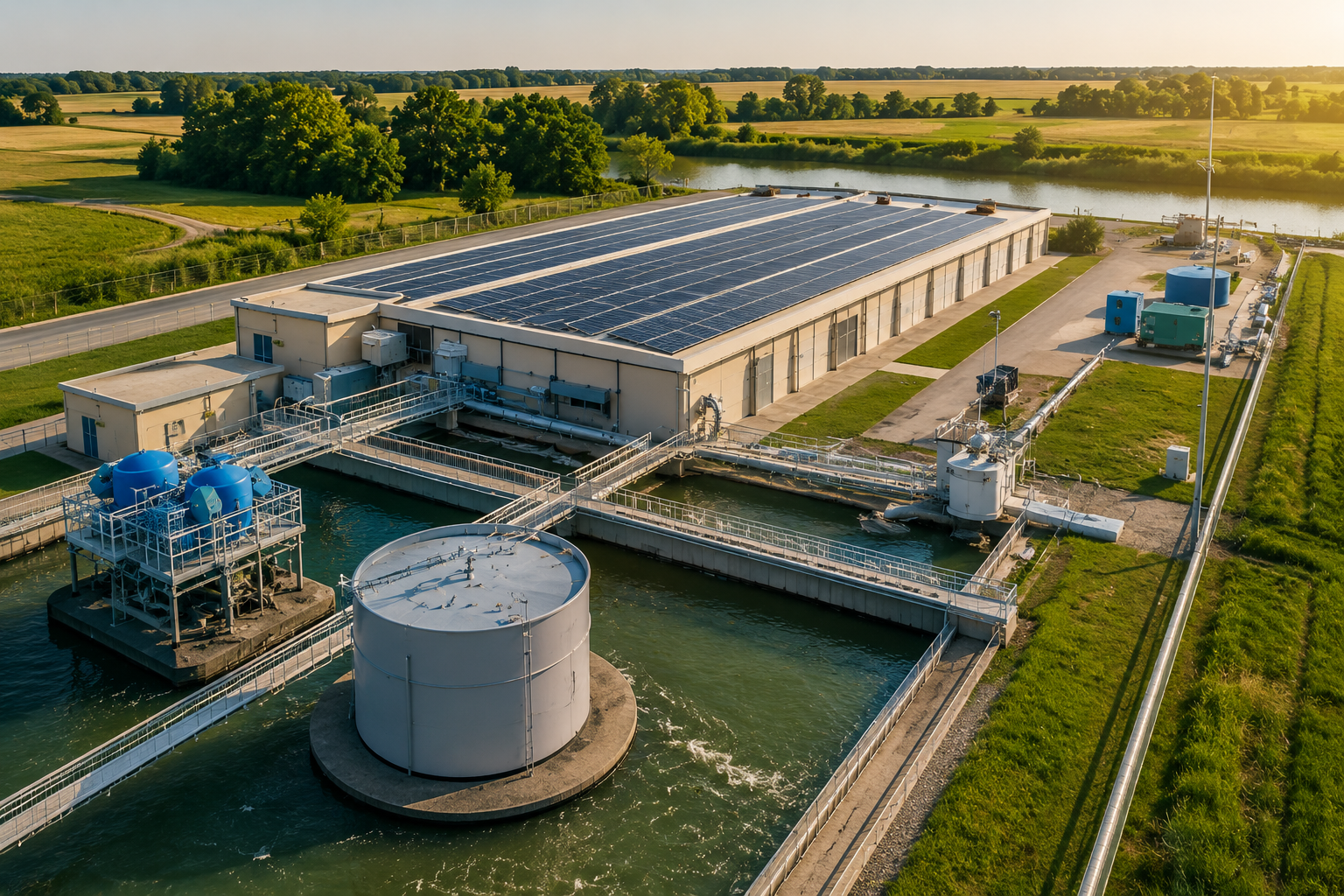
Water Treatment for Solar Farms: Matching Water Grade to Each Construction Phase
Solar farm construction requires three water treatment grades across distinct project phases: potable for crews, dust control water for grading, and RO or deionized for commissioning. Matching grade to phase prevents over-spending on commodity needs and under-specifying for module-wash applications where treated water is the engineering requirement.

RO Water for Solar Farms: Why Panel Washing Needs Reverse Osmosis, Not Tap Water
Solar panel washing with tap water leaves mineral residue that reduces module output and can damage anti-reflective coatings. Reverse osmosis water is the engineering specification, not a preference. This article explains why RO water is required, what TDS levels matter, and how Water Runner delivers panel-wash-grade RO water to solar farms across West Texas.
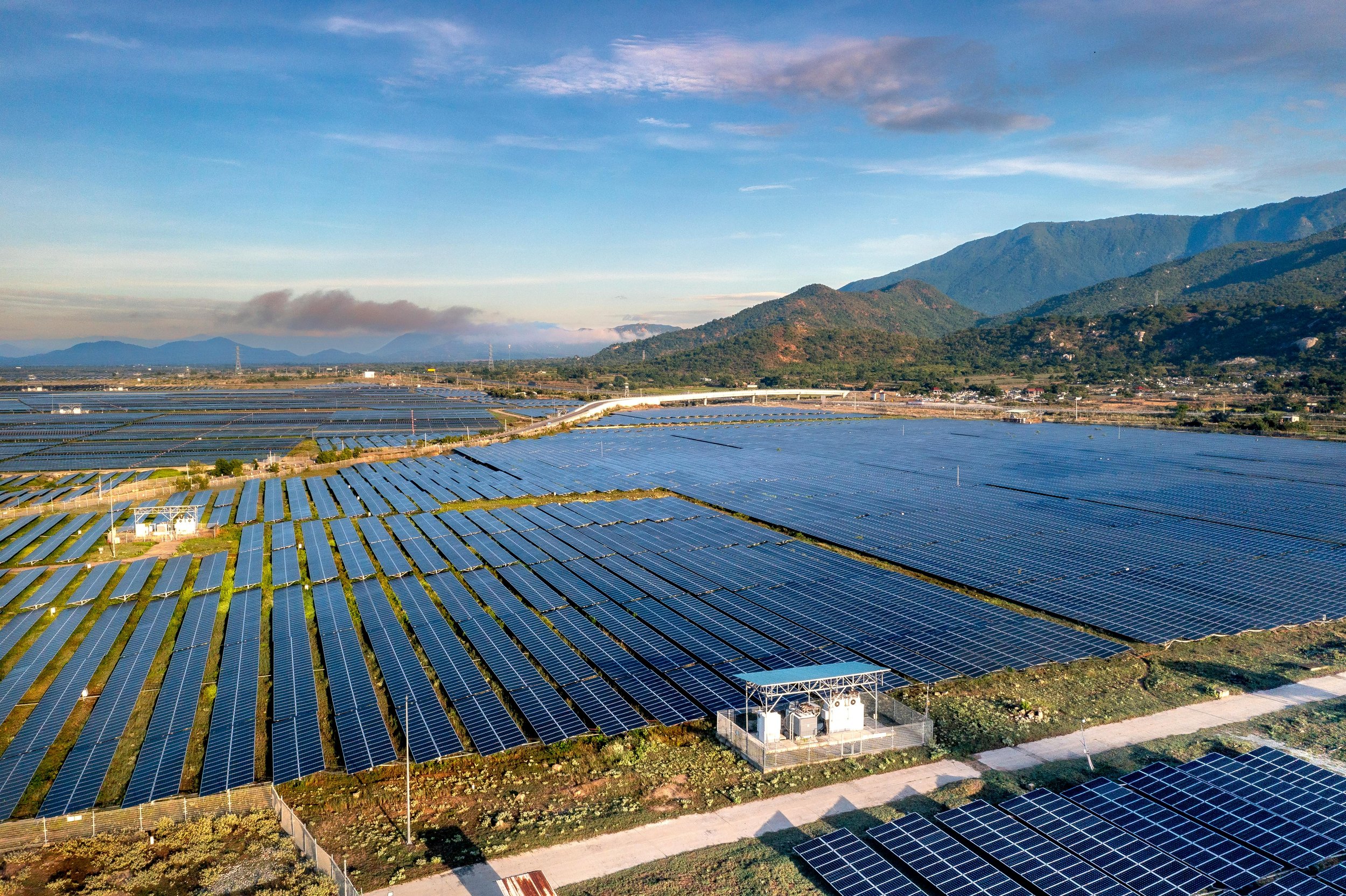
Solar Farms in Texas: What Most Construction Plans Get Wrong About Water
Texas solar farm construction has four water demands, not one: crew potable, dust control, panel-wash DI or RO, and emergency reserves. Each has different volume, purity, and timing requirements. Sites in West Texas often sit beyond reliable municipal supply, making a dedicated bulk water delivery partner a baseline operational requirement before mobilization.
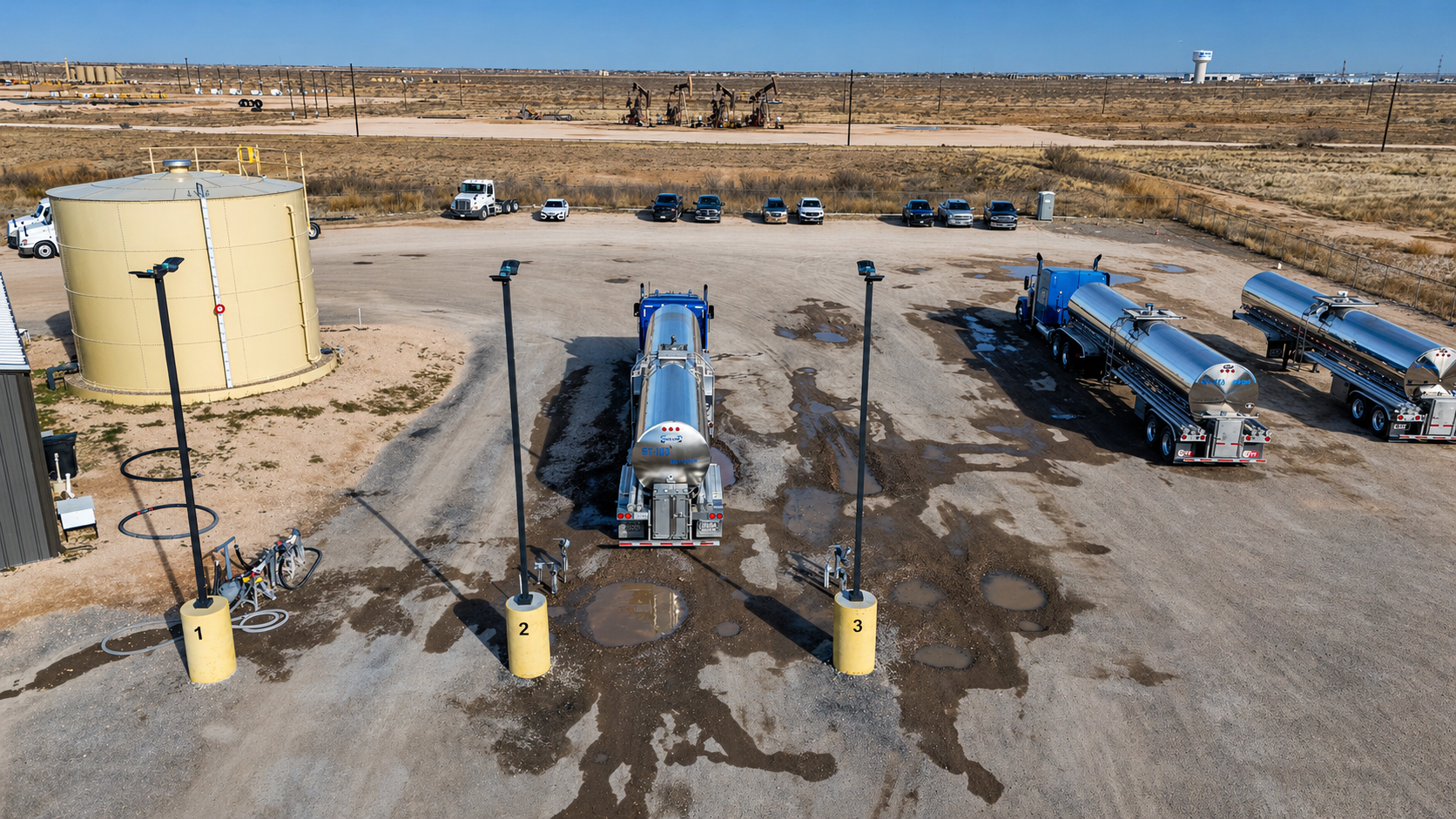
Fire Suppression Water Supply: What Industrial Sites and Data Centers Get Wrong
Most facilities obsess over the fire suppression system. The pipe, the sprinklers, the pumps. Then a flow test comes due, the dedicated tank empties, and someone realizes nobody planned the refill.
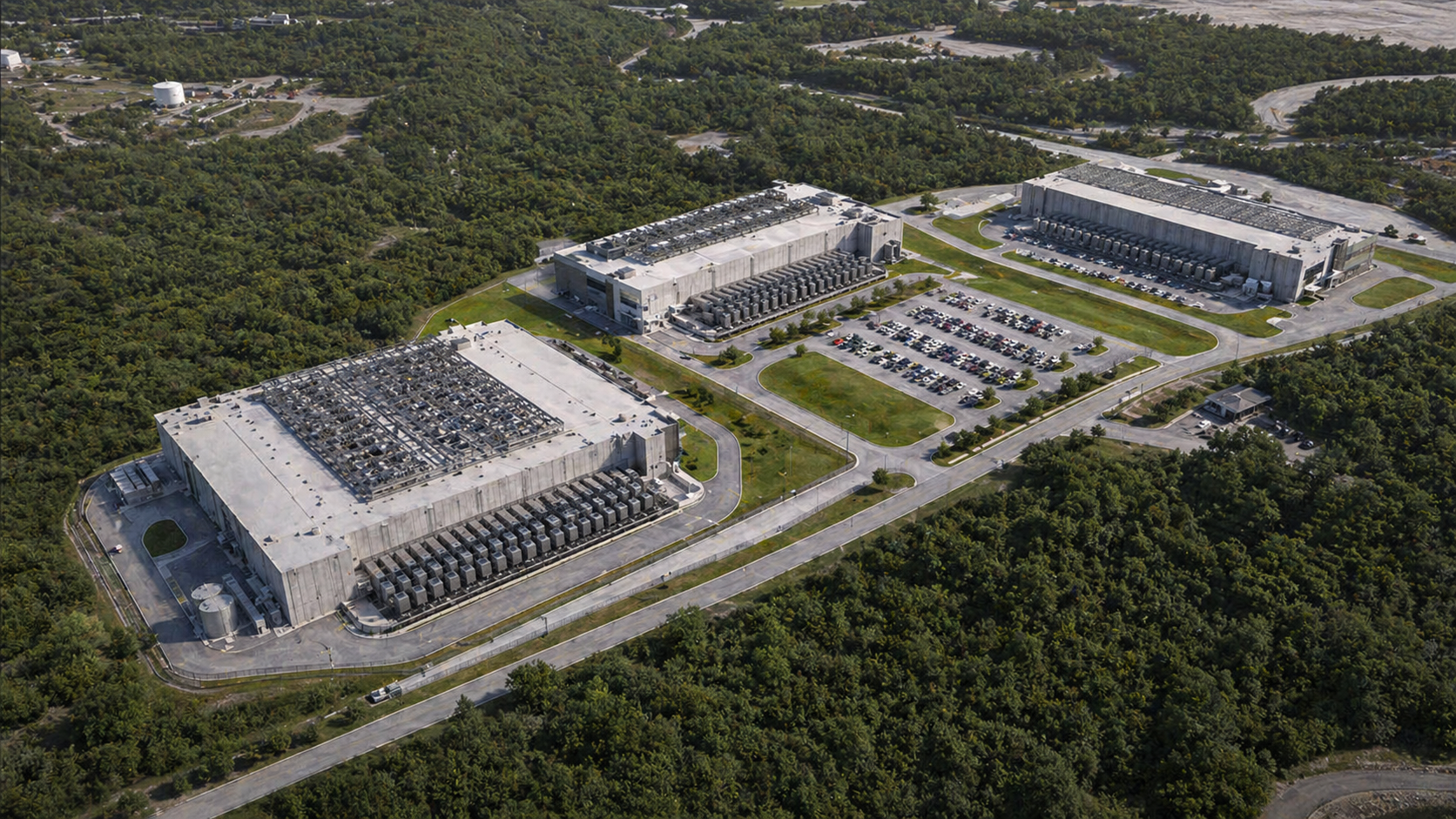
Make-Up Water for Amarillo Data Center Cooling: Why Sourcing Strategy Matters in the Panhandle
The Texas Panhandle is becoming a data center growth corridor. The Ogallala Aquifer beneath it has been shrinking for decades. Those two facts are now sitting on the same operations spreadsheet.
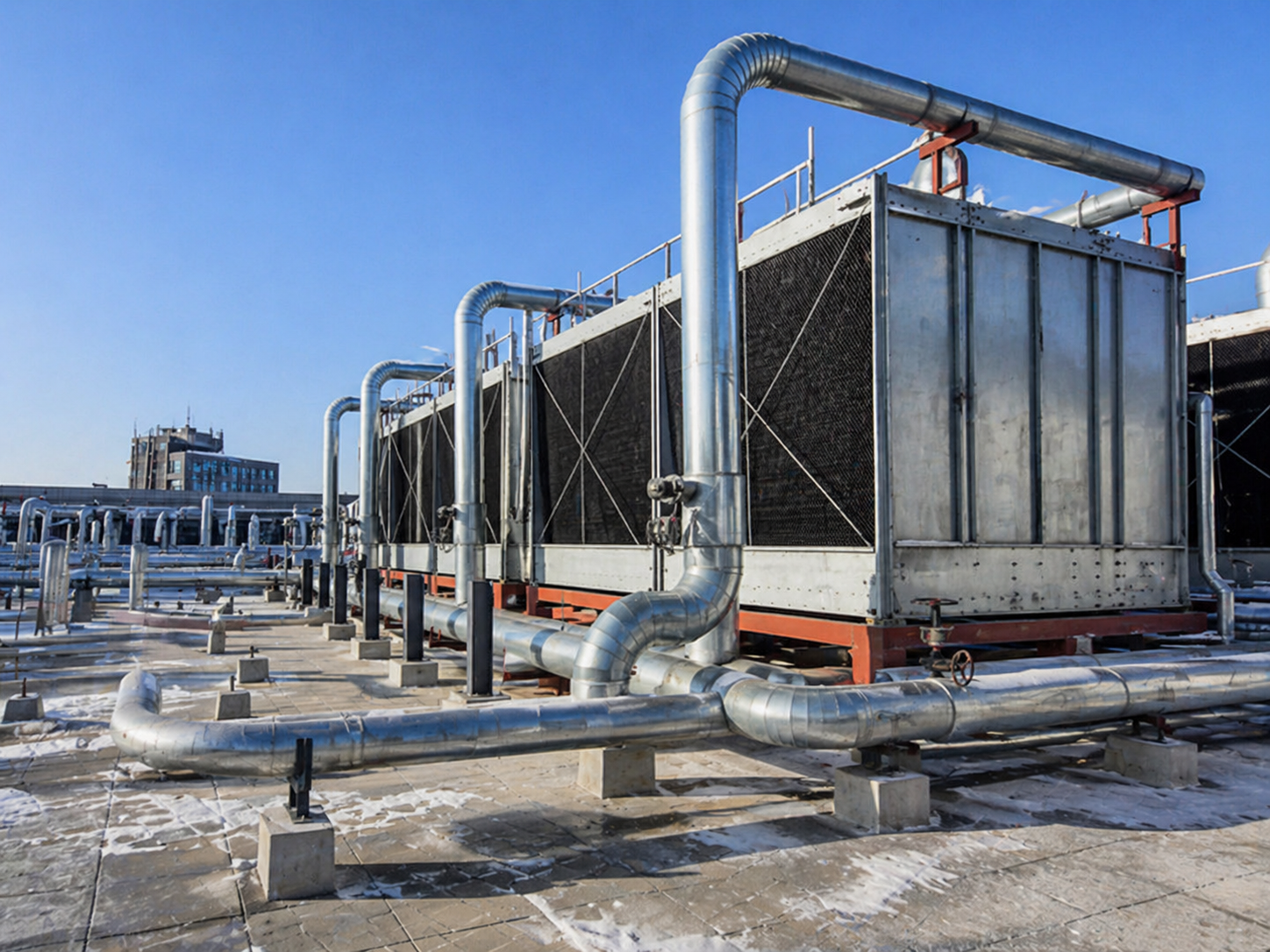
Make-Up Water for Data Center Cooling: Why Sourcing Strategy Matters After Commissioning
The day a Texas data center finishes commissioning is not the day its water risk ends. For evaporative cooling systems, that is the day the water bill of materials starts and never stops.
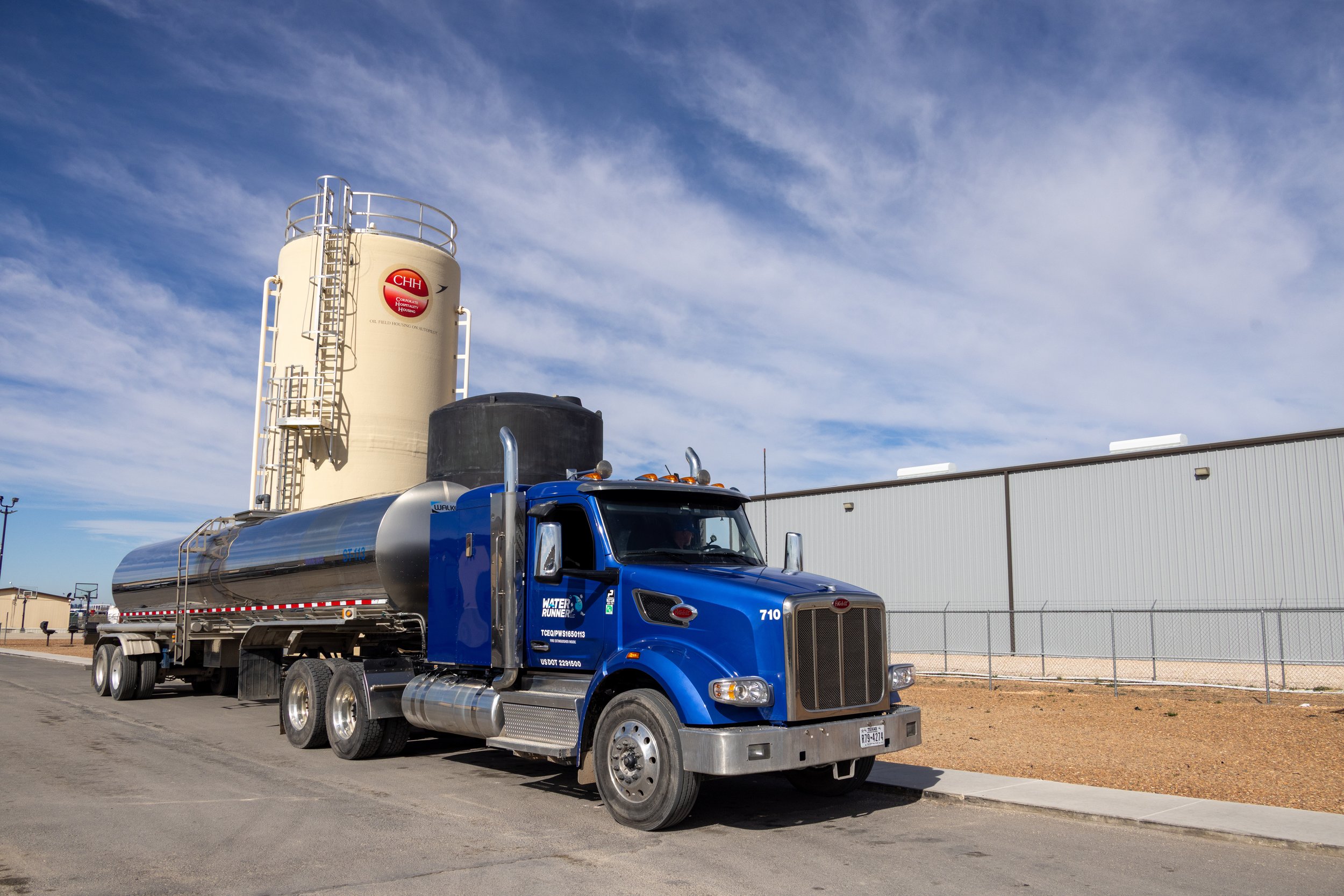
Dust Control Water: What Most Texas Contractors Get Wrong
A dust control plan that lives only as a line item on a bid sheet is the kind that gets discovered, mid-shift, on the windiest day of the month.
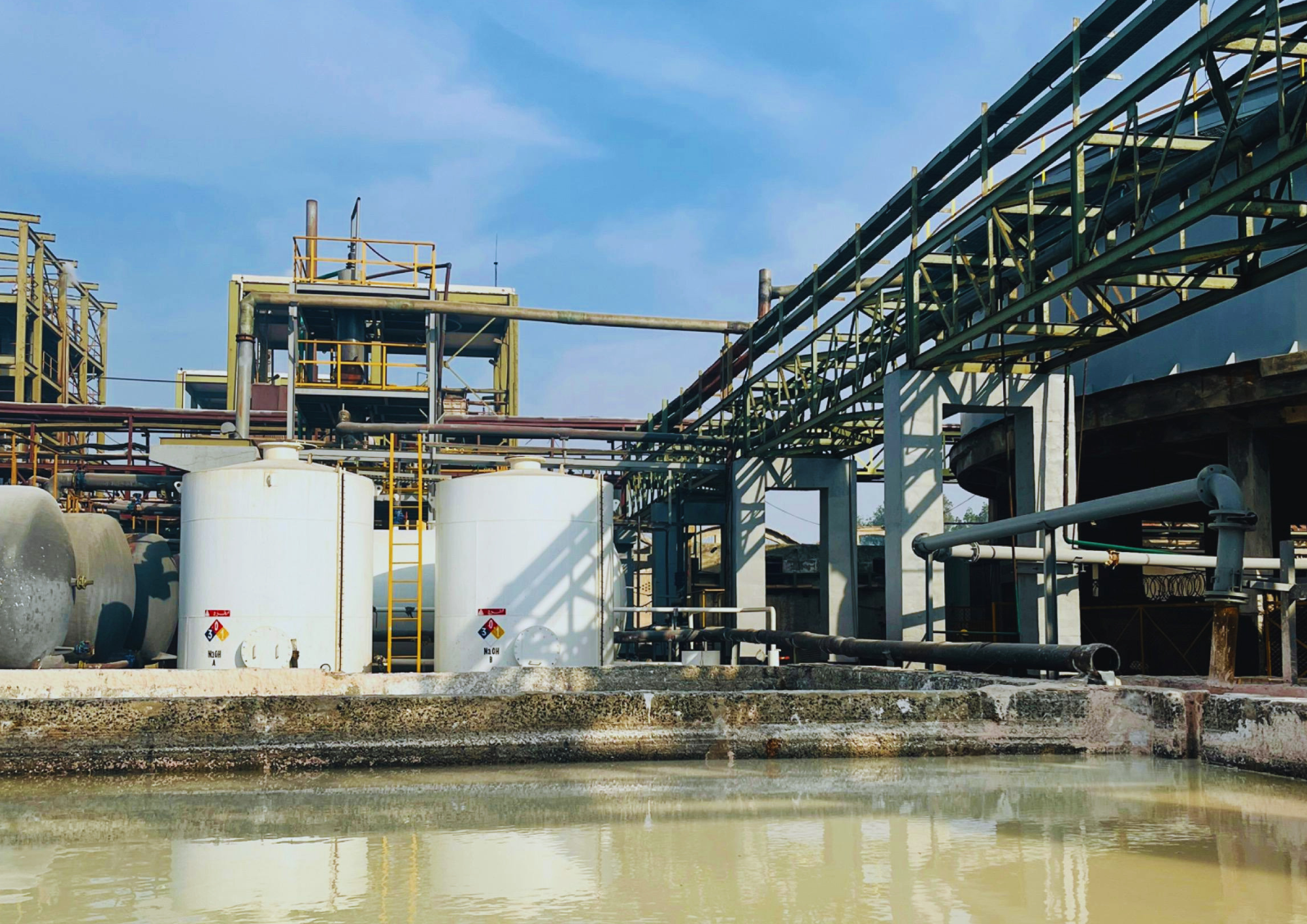
Fast Can You Fill a Data Center Cooling System? A Flow-Rate Planning Guide
Cooling system fills rarely take as long as the math suggests. Ramp-up time, flushing cycles, venting, and quality holds can double your timeline. Here’s how to build a realistic fill schedule and avoid delays on the critical path.
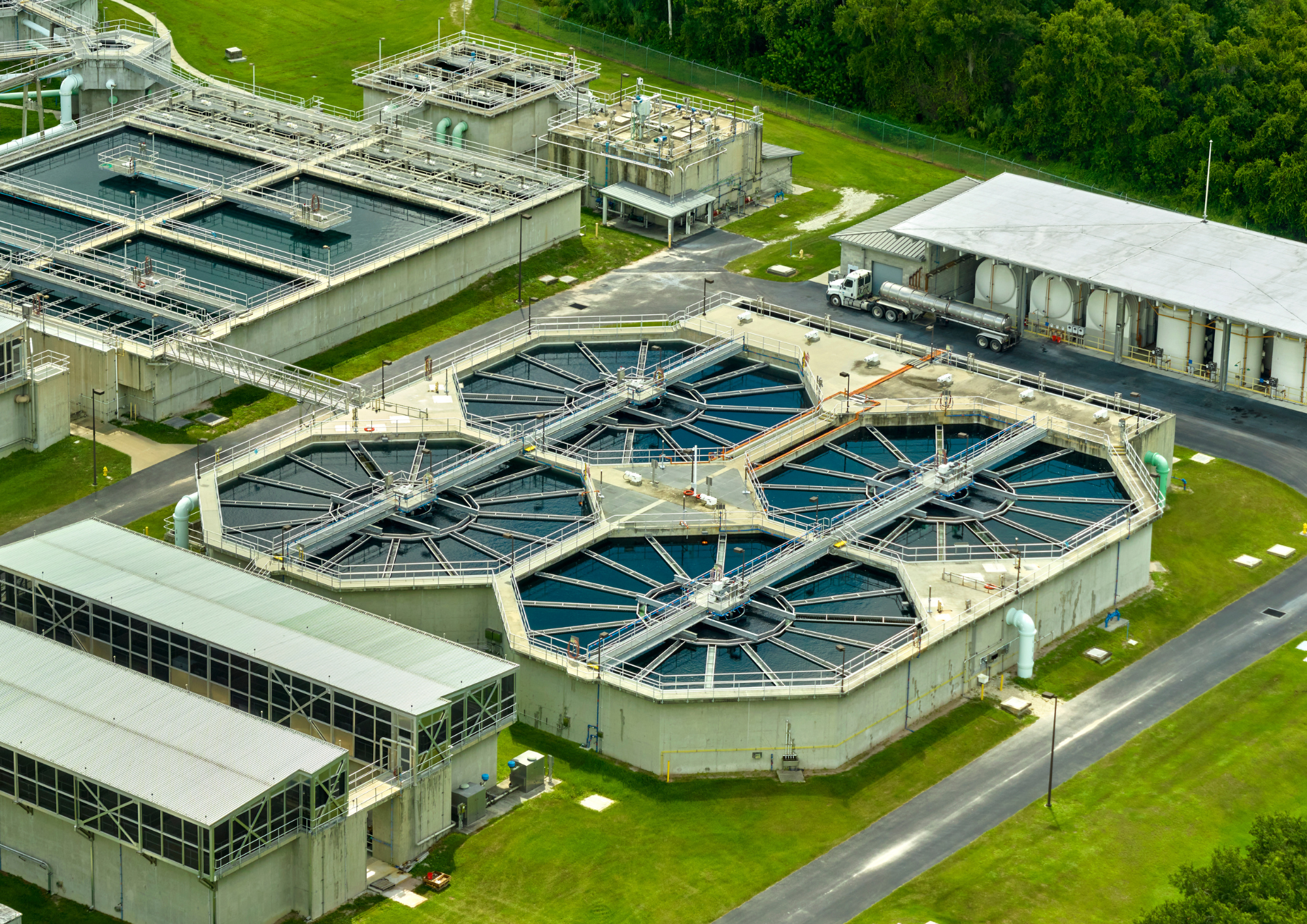
RO Concentrate Disposal During Data Center Construction: Sewer, Haul-Off, or Containment?
RO concentrate disposal is one of the most overlooked risks in data center commissioning. Learn when sewer discharge works, when haul-off is required, and how poor planning can delay your fill before it even begins.

High-Recovery RO Explained: How Recovering RO Reject Reduces Wastewater on Construction Sites
Standard RO systems waste 25–40% of input water, creating major disposal and schedule challenges on data center sites. Learn how high-recovery, dual-stage RO reduces wastewater, lowers costs, and keeps commissioning on track
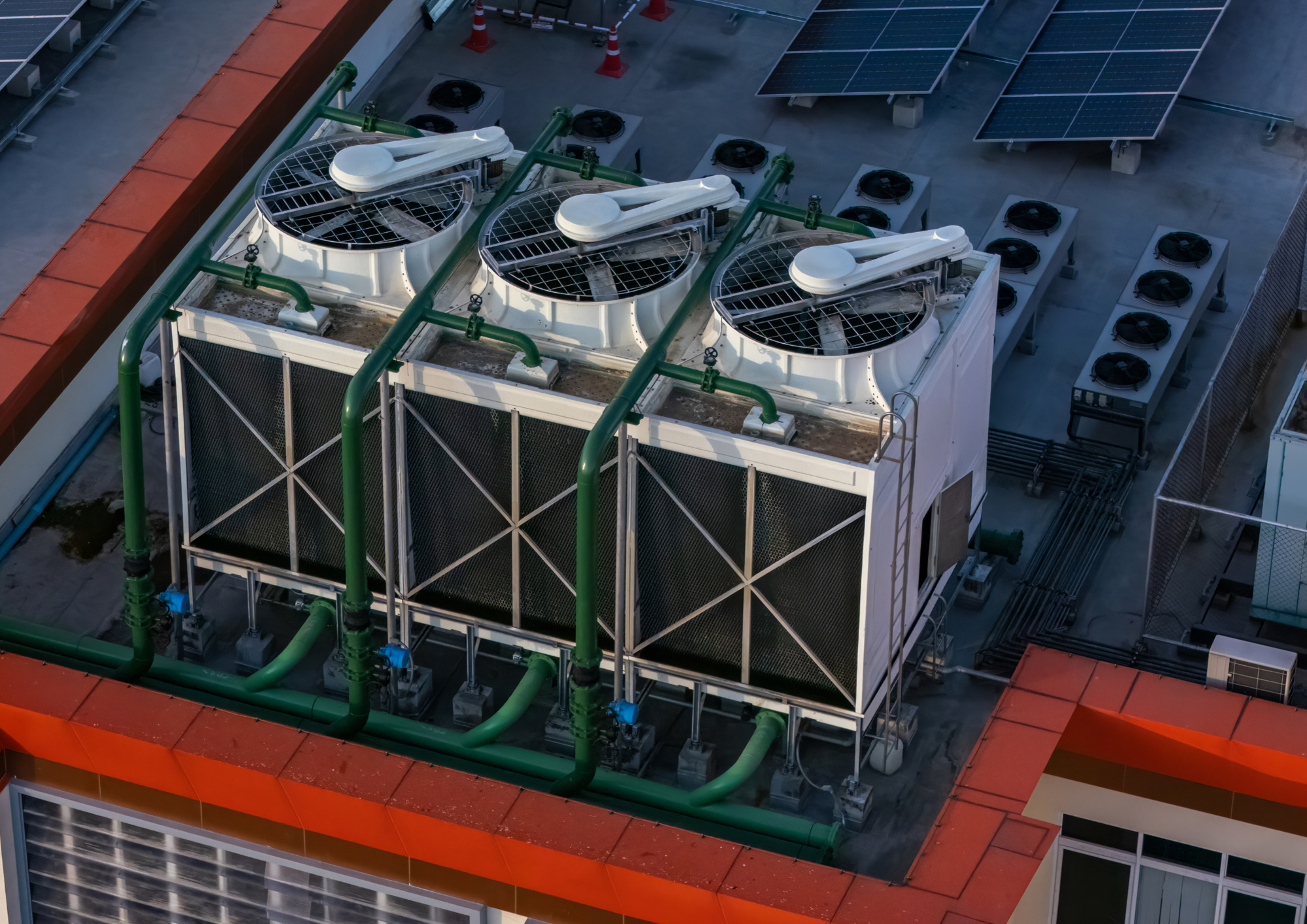
Procedure Water for Data Center Commissioning: What It Is and How to Supply It On-Site
Procedure water can make or break a data center commissioning timeline. Learn what it is, why water quality matters, and how to reliably supply high-volume, spec-compliant water on-site.
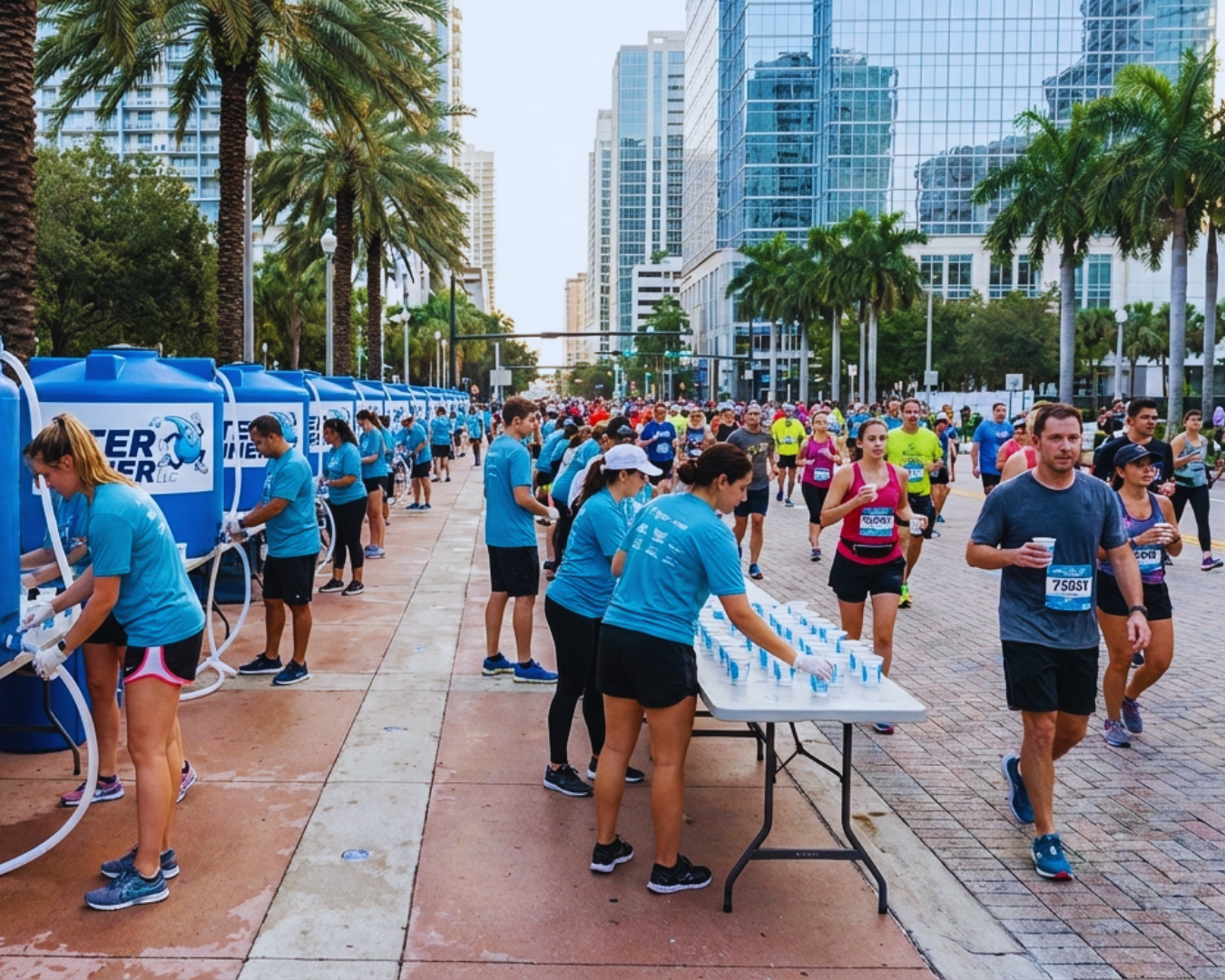
Water Distribution During Public Events and Festivals
Public events and festivals create temporary water demand that exceeds standard municipal capacity at specific locations. Professional water supply services provide portable distribution, adequate volume, and regulatory compliance for gatherings of all sizes throughout West Texas.
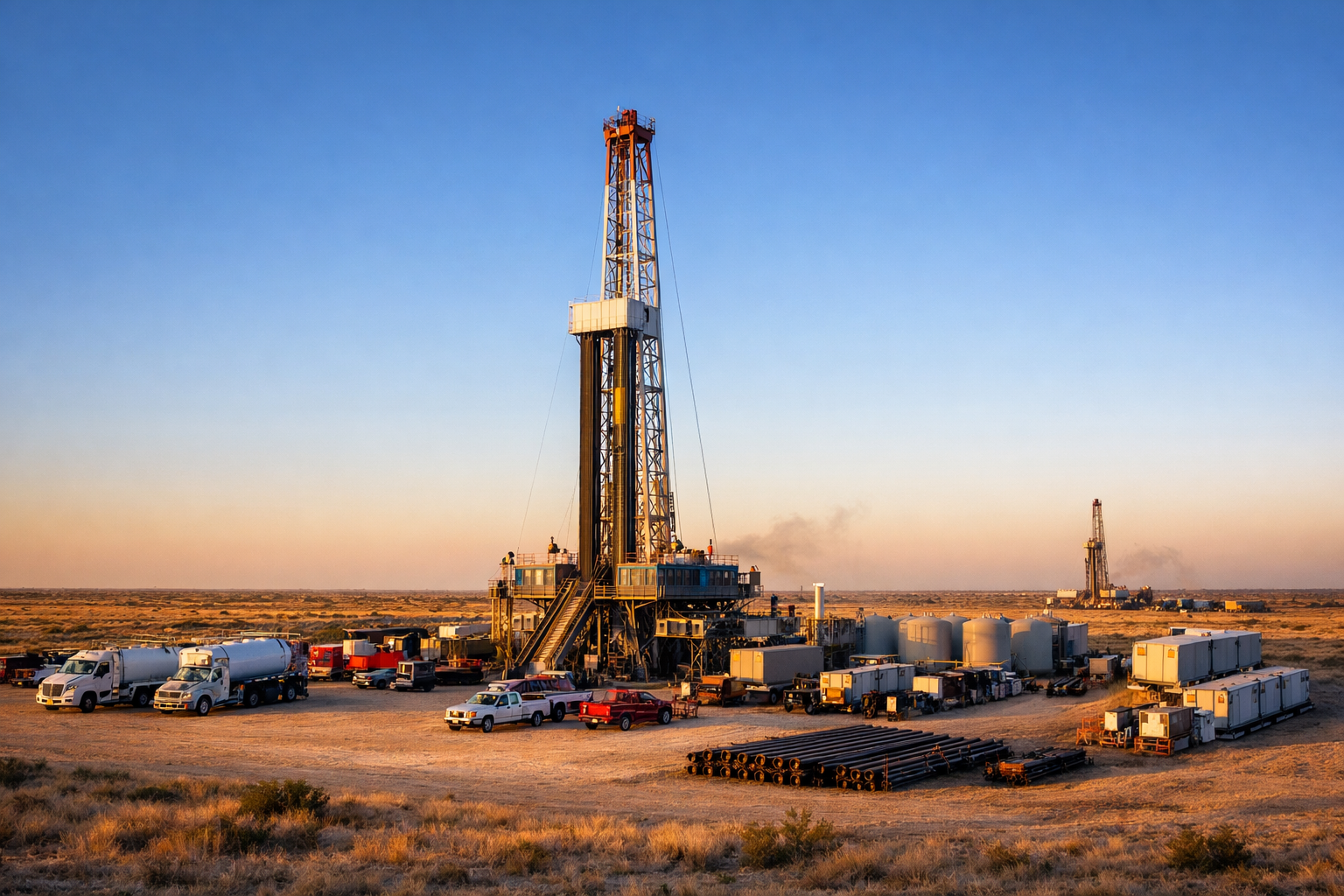
Drilling Site Water Supply: Volume and Delivery Coordination
Oil and gas drilling operations require substantial water volumes delivered on precise schedules to maintain productivity and prevent costly downtime. Professional water supply coordination ensures adequate volume, timing, and logistics support for all phases of drilling and completion activities.
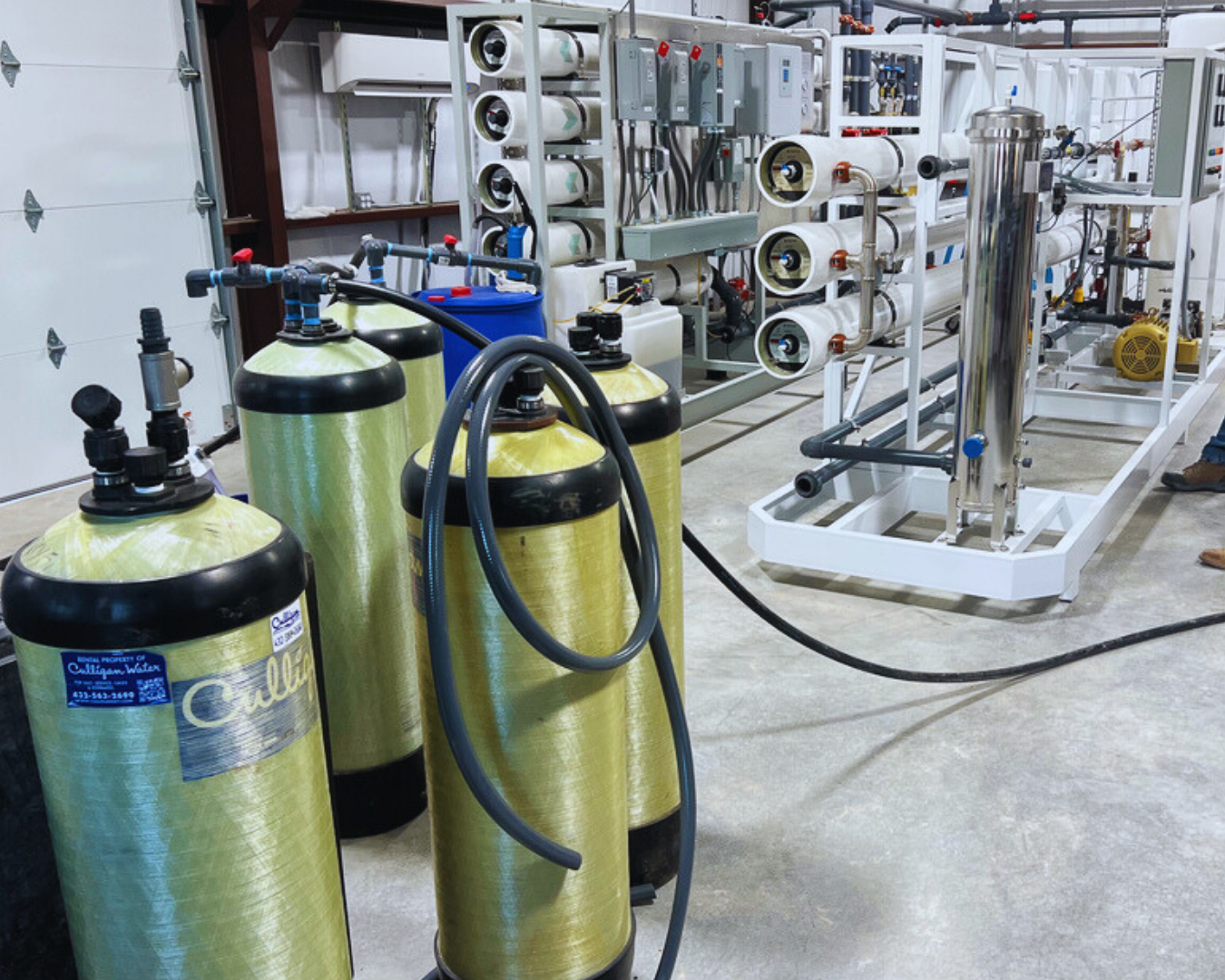
Reverse Osmosis vs Standard Filtration: When Each Is Needed
Understanding the difference between reverse osmosis and standard filtration helps facilities select the appropriate water treatment method for their operations. Each process addresses different contaminants and purity requirements, making proper selection critical for equipment protection and regulatory compliance.